Colehill Village Hall

About Us

Our Spaces

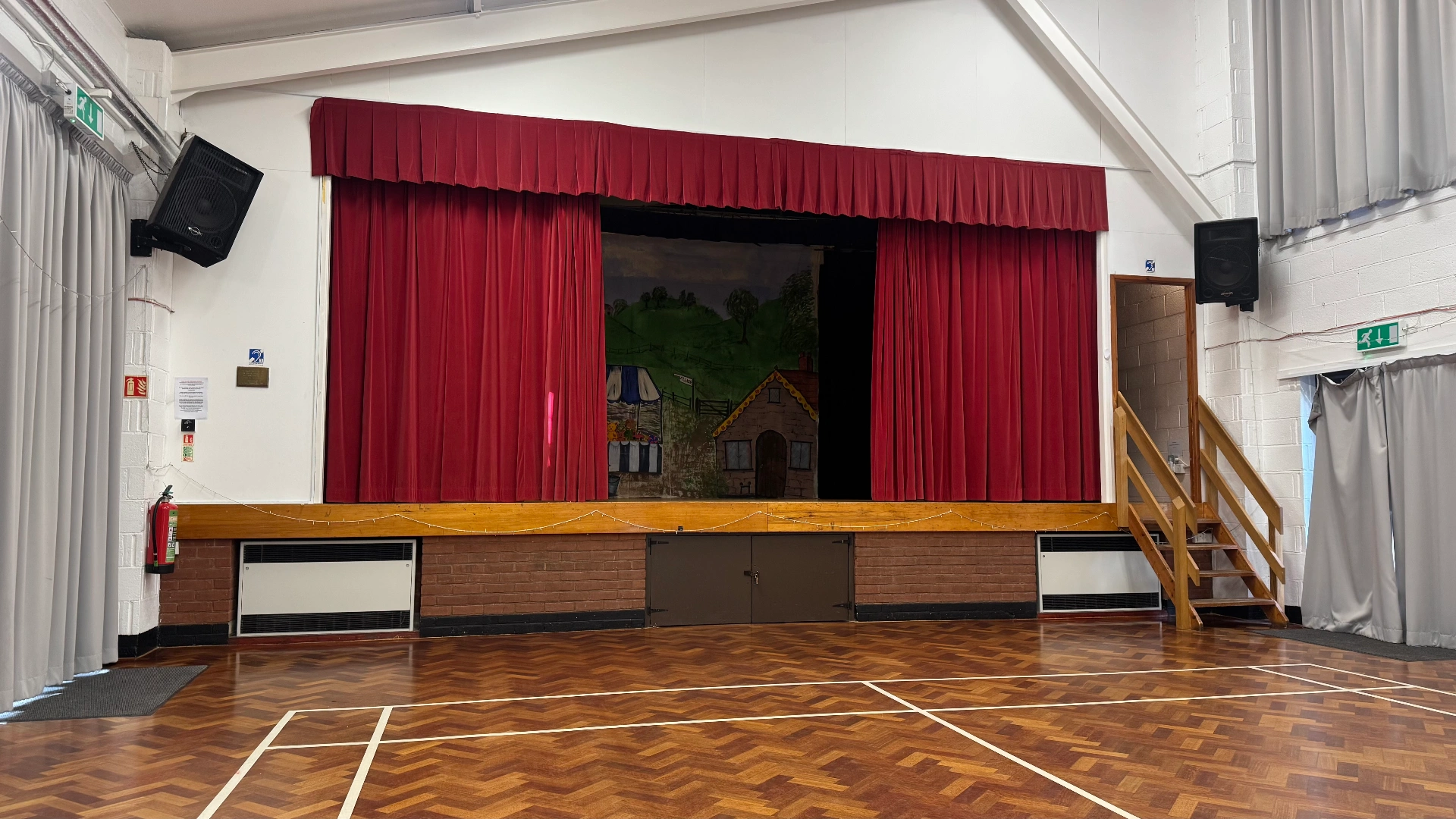
The Main Hall

Our spacious Main Hall can accommodate up to 195 people, making it an ideal venue for a wide range of events. Whether you are hosting regular clubs and community groups, birthday parties, wedding receptions, fundraising events or other celebrations, the hall offers a flexible and welcoming space that can be adapted to suit your needs.
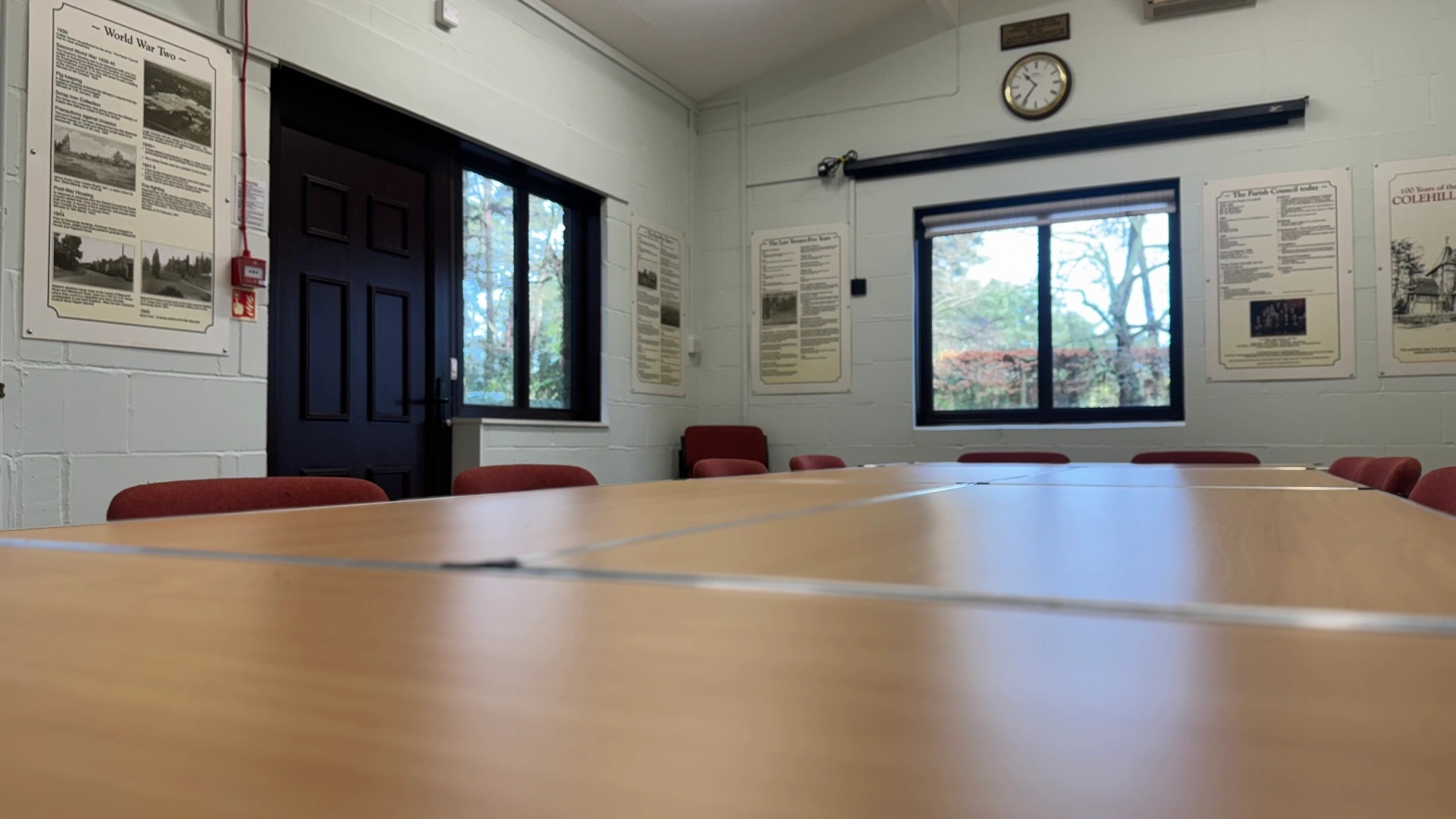
The Committee Room

The Committee Room is a smaller, more private space with capacity for up to 20 people, making it perfect for meetings, small group sessions, and committee gatherings. It provides a quiet and comfortable setting for discussions, planning sessions, or training workshops.
Our History

In the nineteenth century Colehill was a small rural settlement made up of scattered cottages and a handful of larger houses such as Northleigh and Beaucroft. The area was largely agricultural, with local trades including blacksmiths, brickmakers, tailors, wheelwrights and millers supporting everyday village life. The arrival of the railway in the mid-1800s improved connections to larger towns and cities, while the village also centred around institutions such as the school, churches and public houses including The Horns and The Barley Mow.

The Local Government Act of 1894 created civil parishes and led to the formation of Colehill Parish Council in 1896. The first meeting of elected councillors took place at the Glyn Arms Coffee Tavern on Colehill Lane. Early parish discussions focused on practical village concerns including road access, footpaths, lighting, recreation grounds, allotments and the management of Leigh Common and Leigh Pond.

At the beginning of the twentieth century Colehill remained a rural village, but gradual development was underway. The population reached just over 1,000 by the 1901 census, with new homes appearing along roads such as Wimborne Road and Middlehill Road. Parish council meetings continued to deal with everyday matters including public safety, refuse disposal, road maintenance and the management of village land and allotments.

Community life expanded in the early 1900s with the formation of sports clubs, social groups and church activities. St Michael’s Football Club competed locally, the village cricket club played its first matches, and local organisations provided education and social opportunities for residents. The Coffee Tavern became a hub for village meetings and activities, while the council continued to address practical issues such as street lighting and public services.

The First World War deeply affected the village. Children and volunteers contributed to the war effort by collecting materials and knitting clothing for soldiers, while Beaucroft House was converted into a Red Cross hospital for wounded servicemen. Parish council elections were postponed during the war, and by the end of the conflict 36 men from Colehill had lost their lives. A war memorial was later erected to honour their sacrifice.

During the 1920s and 1930s Colehill began to change from a purely rural village into a growing suburban community. The population increased, new housing was built and local groups such as the Girl Guides, Scouts and Women’s Institute became active. Improvements to roads, public transport and services gradually connected Colehill more closely with nearby towns while maintaining its strong community character.

The parish council continued to manage everyday village matters including road safety, refuse collection, housing, schooling and local infrastructure. Motor vehicles brought new concerns about speed on village roads, while improvements to schools and public services reflected the steady growth of the population and the changing nature of village life.

The Second World War once again brought major changes to the village. Buildings were requisitioned for military use, troops were stationed locally and precautions were introduced in case of invasion. Leigh Vineries and other sites were used by the military, while bombs were dropped in nearby areas. American forces were stationed in the village before the Normandy landings in 1944.

Following the war Colehill expanded rapidly. New council housing developments were built, recreation grounds were created and plans were made for a village hall to serve the growing community. Public services such as refuse collection, policing and infrastructure gradually improved as the population increased and the village continued to develop.

From the 1970s onwards Colehill continued to grow into the modern community it is today. New schools, recreational facilities and housing developments were established, while the village hall and Oliver’s Park became important centres for local activities. Improvements to community facilities, libraries and play areas reflected the needs of a growing population while preserving the village’s strong sense of community.

Get in touch for more information

We value your input! If you have any questions, feedback, or just want to say hello, our team is ready to assist you. Please don't hesitate to reach out using our contact form.